Occasion-Based Wardrobe Building: Your 2026 Style Guide
Occasion-based wardrobe building is defined as the practice of assembling multiple curated capsule collections, each tailored to a specific area of your life, so every outfit you reach for is appropriate, polished, and ready to wear. The industry term for this approach is the “multi-capsule wardrobe system,” and it solves a problem that a single, undifferentiated closet never can: dressing well for genuinely different contexts without owning a chaotic excess of clothes. An ideal capsule wardrobe contains 25–40 high-quality, mix-and-match pieces organized across 5–6 specialized capsules covering categories like Professional, Weekend, Event, and Travel. That structure reduces decision fatigue, eliminates the “nothing to wear” feeling, and makes every item in your closet earn its space. Clothme supports this process by matching you to pieces that actually fit your body and your lifestyle from the start.
What is occasion-based wardrobe building, and how does it work?
Occasion-based wardrobe building works by dividing your clothing into distinct functional groups, each built around a recurring area of your life. Rather than treating your closet as one large pool of options, you create separate mini-wardrobes that operate independently and, where possible, share versatile pieces across categories.
The most common capsule categories in 2026 wardrobes include:
- Professional: Tailored trousers, blazers, button-down shirts, and structured dresses suited for office or client-facing settings.
- Casual/Weekend: Well-fitted jeans, relaxed knits, quality T-shirts, and comfortable sneakers for everyday errands and social outings.
- Event/Formal: A reliable cocktail dress or suit, elevated separates, and statement accessories for weddings, galas, and celebrations.
- Travel: Wrinkle-resistant fabrics, layerable pieces, and compact footwear that pack efficiently. A solid vacation packing strategy makes this capsule especially practical.
- Athleisure/Active: Performance leggings, moisture-wicking tops, and supportive footwear for workouts and active weekends.
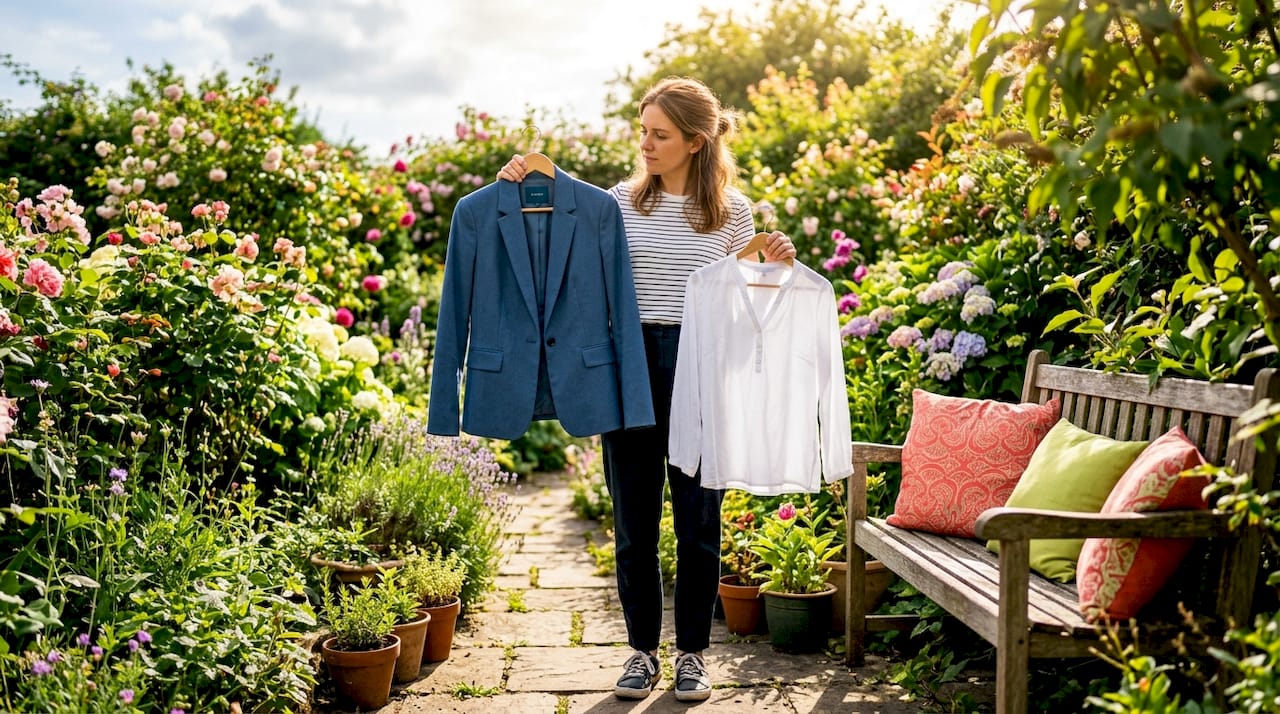
Versatile pieces that work across multiple settings are worth three times the closet space of single-use garments. A well-cut navy blazer, for example, belongs in both your Professional and Event capsules. A quality white linen shirt moves from Weekend to Travel without effort. This cross-capsule utility is what keeps your total piece count manageable while your outfit options stay wide.
Capsule Core Pieces Crossover Potential Professional Blazer, trousers, structured dress Event, Travel Casual/Weekend Jeans, knits, quality tees Travel, Athleisure Event/Formal Cocktail dress, elevated separates Professional Travel Layerable basics, wrinkle-resistant fabrics Casual, Athleisure Athleisure Leggings, performance tops, sneakers Casual/Weekend
How to organize your closet for efficient occasion-based outfit planning
A well-organized closet is the physical foundation of occasion-specific outfit planning. Without clear zones, even the best-curated capsules collapse into the same visual noise you started with.
Sorting by functional zone — work, formal, casual, and travel — can make your closet twice as efficient by cutting the time you spend searching for the right piece. That efficiency compounds every morning. The practical steps are straightforward:
- Assign a dedicated section of your closet or dresser to each capsule.
- Place your highest-frequency capsule (usually Casual or Professional) at eye level and within arm’s reach.
- Store seasonal or low-frequency capsules (Event, Travel) in upper shelves, bins, or a secondary closet.
- Keep accessories and footwear organized by capsule, not by color or type, so a complete outfit comes together in one zone.
- Rotate seasonal pieces in and out every three to four months, using vacuum storage bags or labeled bins to protect off-season items.
Pro Tip: Label each closet zone with a small card or tag. The visual cue alone reduces the mental effort of getting dressed, especially on rushed mornings.
Seasonal wardrobe strategies matter more than most people realize. Keeping your summer travel capsule mixed in with your winter professional pieces creates friction every single day. A clean rotation schedule, where you physically move off-season capsules out of your primary space, keeps your active closet lean and functional.
What are the best planning habits for maintaining this system?
The most effective maintenance habit is a weekly planning session of 15–20 minutes that replaces 2–3 hours of cumulative daily decision-making. That trade is almost always worth it. Sit down on Sunday evening, check the week’s calendar, and pre-select outfits for each day’s primary occasion.
The framework that makes this session fast and reliable is the three-decision rule:
- Check the weather. Temperature and precipitation determine your base layer and outerwear before anything else.
- Identify the occasion. Work meeting, dinner with friends, gym session, or travel day. Each maps directly to a capsule.
- Confirm the dress code. Business casual, smart casual, black tie, or no code at all. This narrows your options from a capsule to a specific outfit.
Starting with this sequence increases outfit success and eliminates the most common dressing errors. Skipping step three, for example, is how people show up overdressed to casual dinners or underdressed to client lunches.
Outfit planning also forces honest reflection on your shopping habits. When you plan outfits weekly, you quickly see which pieces you never reach for and which gaps actually exist. That visibility stops impulse purchases that don’t serve your real life.
Pro Tip: Keep a simple notes app list of your current wardrobe gaps. Update it after each planning session. When you shop, you buy with purpose instead of impulse.
One of the most overlooked planning strategies is building transition outfits that shift from one occasion to another with a single swap. A tailored midi dress worn with loafers and a structured bag reads as professional. Swap the bag for a crossbody and add a denim jacket, and the same dress works for a casual dinner. These bridge looks reduce the number of outfit changes you need on complex days.
How to build a wardrobe that fits your actual life
The most common mistake in occasion-focused outfit planning is building for an imaginary life. Wardrobes built around fantasy needs result in unused items, wasted money, and a closet that doesn’t serve your real routine. A teacher who owns six cocktail dresses but only attends two formal events a year has a wardrobe misaligned with her life.
Start by auditing your actual calendar for the past three months. Count how many days you needed professional attire, casual wear, athletic gear, and formal clothing. Let those numbers dictate the size of each capsule. Your biggest capsule should serve your most frequent occasion.
When selecting pieces for each capsule, prioritize these qualities:
- Fit: A well-fitting piece in a neutral color outperforms a trendy piece in a bold print every time. Sizing inconsistency across brands is a real obstacle here. Understanding why sizes vary by brand helps you shop with realistic expectations.
- Fabric: Natural fibers like cotton, wool, and linen hold their shape and age better than most synthetics. For travel capsules, wrinkle resistance matters more than fiber content.
- Color palette: Building each capsule around two or three neutral anchor colors, then adding one or two accent colors, maximizes mix-and-match potential.
- Versatility: Before buying any piece, ask whether it works with at least three other items already in your wardrobe.
The modular outfit formula approach uses 5–8 reliable combinations per capsule, then rotates accessories and shoes to create variety. A formula like “tailored trousers + silk blouse + pointed-toe flat” becomes five different outfits when you swap the shoe color, add a scarf, or change the bag. This is how a 30-piece wardrobe generates more than 100 wearable looks. For swimwear and resort occasions, a capsule swimwear approach applies the same formula logic to vacation dressing.
Personal style lives inside the formula, not outside it. Your color preferences, silhouette choices, and fabric affinities are what make your capsules yours. The formula is just the structure that keeps everything functional.
Key Takeaways
Occasion-based wardrobe building works because it aligns your clothing with your real life, using 5–6 curated capsules, a weekly planning habit, and versatile pieces that serve multiple roles.
Point Details Use 5–6 capsules Organize clothing into Professional, Casual, Event, Travel, and Athleisure groups for full lifestyle coverage. Apply the three-decision rule Check weather, identify occasion, and confirm dress code before selecting any outfit. Plan weekly, not daily A 15–20 minute Sunday session replaces hours of daily decision-making and reduces dressing stress. Prioritize versatile pieces Items that work across multiple capsules deliver far more value than single-occasion garments. Build for your real life Audit your actual calendar before building capsules to avoid owning clothes you never wear.
Why function beats fashion trends every time
The conventional advice is to “buy what you love.” My experience says that’s incomplete. You should buy what you love and what you will actually wear in the life you actually live. Those two filters together are what make a wardrobe feel trustworthy.
The biggest shift I’ve seen in how people approach their closets is moving from trend-chasing to occasion-mapping. When you know exactly which capsule a new piece belongs to before you buy it, the purchase almost always makes sense. When you can’t answer that question in the store, the piece usually ends up unworn six months later.
There’s also a psychological payoff that rarely gets discussed. A wardrobe organized by occasion creates a quiet confidence that a disorganized closet never can. You stop second-guessing yourself because the system has already done the thinking. The clothes you reach for fit the moment, and that alignment between context and appearance is what most people call “good style.”
One misconception worth correcting: occasion-based wardrobes are not about owning fewer things as a moral statement. They are about owning the right things for your specific life. For some people, that means 30 pieces. For others, it means 80. The number is irrelevant. The intentionality is everything.
— admin
How Clothme helps you build the right wardrobe from the start
Building a wardrobe around specific occasions only works when the pieces you buy actually fit. Sizing inconsistency across brands is one of the biggest obstacles to building a functional capsule system, and it’s the problem Clothme was built to solve.
Clothme lets you upload two photos to generate a precise size profile, so the products you see are already filtered to match your body, your color preferences, and your fabric choices. You can save profiles for every family member, which makes shopping for a child’s school capsule or a partner’s travel wardrobe just as straightforward. When every piece you order fits as expected, building and maintaining your occasion-based capsules becomes a genuinely reliable process. Start building your capsule with pieces that fit the first time.
FAQ
What is occasion-based wardrobe building?
Occasion-based wardrobe building is the practice of organizing your clothing into multiple curated capsule collections, each designed for a specific life context such as work, travel, or formal events. The goal is to always have an appropriate, polished outfit ready without owning an excess of clothes.
How many capsules should a wardrobe have?
Most people benefit from 5–6 specialized capsules covering Professional, Casual, Event, Travel, and Athleisure categories, with a total of 25–40 pieces across all groups.
How does the three-decision rule work?
The three-decision rule means checking weather first, identifying your occasion second, and confirming the dress code third before selecting an outfit. This sequence eliminates the most common outfit mismatches and reduces daily dressing stress.
How do I avoid buying clothes I never wear?
Audit your actual calendar for the past three months to see which occasions recur most often, then build your largest capsules around those. Buying for imaginary or rare occasions is the leading cause of an unused wardrobe.
Can occasion-based outfit planning save money?
Yes. Outfit planning reveals real wardrobe gaps and stops impulse purchases that don’t fit your lifestyle, which reduces overall spending on clothes that go unworn.