Shein Size Accuracy: Expect 1–2 Sizes Smaller — Try AI Matching
Shein’s size accuracy is inconsistent by design: some items fit true to their chart, others run a full size small, and the difference depends more on the supplier than the label. The fix isn’t guessing based on past orders. Check the item’s own size guide in centimeters, compare it to your actual measurements, and read reviews with photos before you buy.
TL;DR:Shein’s sizing varies heavily by supplier, making it essential to check individual product size guides rather than relying on the label.
Most reviews indicate that Shein runs one to two sizes small, especially for fitted tops, dresses, and swimwear, requiring careful measurement comparison.
Prioritize bust measurements for tops and dresses, and focus on waist, hip, and stretch fabric details for bottoms to reduce fit risks.
It is recommended to measure yourself accurately in centimeters, compare to official size charts, and review customer photos before purchasing.
Using tools like Clothme can help build personalized size profiles, minimizing guesswork and reducing returns for recurring categories.
Table of Contents
Why Shein Size Accuracy Varies From Item to Item
Shein doesn’t manufacture its own clothing in one factory with one master pattern. It works with thousands of independent suppliers, and each one cuts to its own interpretation of “medium” or “large.” That’s the root of most sizing complaints, and it’s also why Shein’s own guidance tells shoppers to stop trusting letter sizes altogether.
The company’s official advice is to use the Size Guide listed on each product page, measured in centimeters and inches, rather than assuming a size medium means the same thing across two different dresses. A few structural reasons drive the inconsistency:
Per-product charts are the only reliable source. Two “large” tops from different suppliers can differ by 2 to 3 inches at the bust.
Listings sometimes reflect US, EU, or Asia sizing scales, which shifts the numbers even when the label looks familiar.
Model measurements and the “model wears” note on a product page tell you what size looks like on a specific body, not what will fit yours.
Pro Tip: Before adding anything to your cart, screenshot the size chart. Shein listings get updated or removed, and you’ll want that reference during a return dispute.
What Shoppers and Reviewers Actually Report
The pattern across independent reviews is fairly consistent: Shein runs small on fitted items more often than it runs true to size. Reviewed found sizing discrepancies frequent enough that the outlet recommends checking measurements and review photos before every purchase, not just on first-time orders.
Sizing guides that track this over time back that up. SizeChartBase’s analysis notes Shein commonly runs one to two sizes smaller than standard US sizing, especially in structured tops, blazers, and denim. That’s a meaningful gap. If you’re a US 8 and order a US 8, there’s a real chance it fits closer to a 6.
There’s a counterpoint worth taking seriously. Fit tests run in 2026 on ten trending Shein items found the platform’s product details and reviewer tools have genuinely improved, though supplier-level inconsistency hasn’t gone away. Translation: the tools to check fit are better, but the underlying variability is still there.
The most common complaints repeat across threads and reviews:
Fitted tops and bodycon dresses running noticeably tight through the bust and shoulders.
Swimwear tends to run smaller, particularly in bottoms.
Jeans tend to have accurate waist measurements but shorter-than-expected inseams.
Reviewer photos combined with the poster’s stated height, weight, and size ordered give you the closest thing to a real fitting room experience Shein offers.
How Fit Risk Changes by Category
Not every category carries the same risk, and treating a jean purchase like a graphic tee purchase is how most sizing mistakes happen.
Tops and dresses. Prioritize the bust measurement over anything else on the chart. If you fall between two sizes and the fabric has little to no stretch, size up. A tight bodice you can’t move in is far more common than one that’s too loose.
Bottoms and jeans. Waist, hip, and inseam numbers matter more than the size label. Check the fabric composition for spandex or elastane content. A 2% stretch jean behaves nothing like a 98% cotton one.
Swimwear. This category runs small most consistently, often by half a size. Look for mentions of lining or four-way stretch in the product description, since unlined swim fabric tends to run tighter and less forgiving.
Plus and Curve sizing. Fit inconsistency doesn’t disappear here. Reviewed.com’s coverage of Shein Curve found variable results across the line, so plus-size shoppers should lean even harder on item-specific measurements and reviews from people with similar proportions.
A Five-Step Process for Picking Your Shein Size
Skip the guesswork and follow the same process every time you shop.
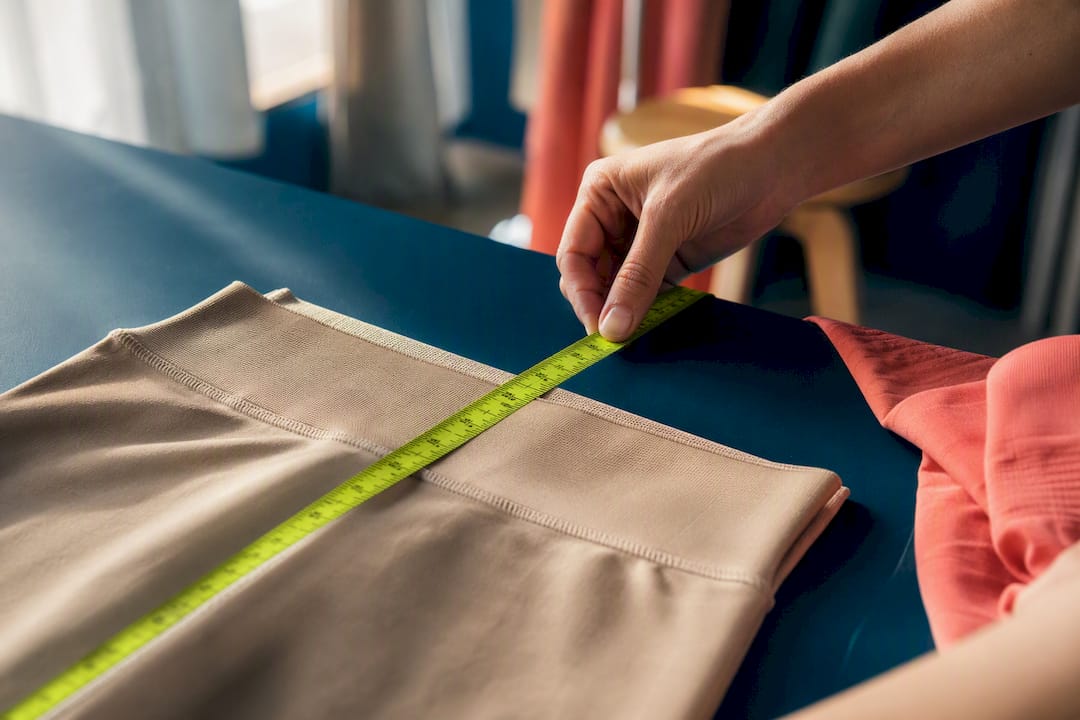
Measure yourself in centimeters. Bust, waist, and hips, using a soft tape measure against skin or thin fabric — see this Ring Size Guide: How to Measure Accurately at Home for practical tips on measuring techniques. Save these numbers somewhere you can pull up on your phone.
Open the product’s Size Guide before choosing a letter. Compare your numbers directly to the chart’s measurements, not the size name at the top of the column.
Size up for non-stretch fabrics if you’re between two sizes. For stretchy items, check the spandex percentage first. Anything above 5% elastane gives you more room to size down safely.
Read reviews with photos, and prioritize reviewers close to your body shape. A 5’4" reviewer at 140 pounds tells you more than a general star rating ever will.
Use Shein’s built-in measurement tools and keep a personal fit log. Note which suppliers ran true and which ran small, since the same supplier tends to repeat its pattern across multiple listings.
Pro Tip: Keep your fit log in a notes app with the item’s product ID next to the size that worked. Shein resells the same supplier patterns across seasons, so that log pays off on future orders.
What to Do When the Size Is Wrong
Act fast. Return windows are time-limited, and the sooner you check eligibility, the more options you keep open.
Check the return policy immediately and start the return process if the item qualifies.
For minor fit issues (an inch too snug at the waist, a hem that runs long), a quick alteration or handing it off to a family member with a closer fit often beats the hassle of shipping it back.
Photograph the garment on your body next to its listed measurements. That documentation strengthens any dispute and helps you resell the item accurately if you go that route.
Log the supplier and item ID alongside whichever size actually worked, so you’re not repeating the same mistake on a similar listing next month.
How ClothME Cuts Down on Shein Sizing Guesswork
Most of the sizing failures above come down to one problem: matching your body to a chart you can’t feel or try on. Clothme solves that from the front end. Upload two photos, and it builds a personalized size profile mapped to your actual proportions, then filters product feeds so you mostly see items likely to fit, in the styles, colors, and fabrics you already prefer.
For parents managing multiple kids’ wardrobes or households shopping for more than one person, Clothme lets you save a fit profile for each family member, so sizing your daughter’s dress and your own top doesn’t mean starting from zero each time. The result is fewer returns and less time spent cross-referencing size charts, since AI-driven measurement matching is already doing that comparison before you scroll past the buy button.
Is Shein’s Low Price Worth the Fit Gamble?
Shein earns its place in your cart for trend pieces, one-season statement items, and anything where a near miss on fit costs you $12, not $80. That math changes for wardrobe staples: a winter coat, work pants, or anything you’ll wear weekly deserves a fit method you actually trust, not a coin flip on supplier consistency. Run the checklist above every time, and let a saved size profile handle the rest.
— admin
Get Matched Sizes Before You Add to Cart
Clothme skips the size-chart guesswork entirely. Instead of measuring yourself against a dozen different supplier charts every time you shop, you build one profile that does the comparison for you.
Here’s how it works: upload two photos to create your personalized size profile, then save separate profiles for any family members you shop for, from kids to partners. From there, your product feed filters down to items that actually match your measurements, style, and fabric preferences, so you’re browsing pieces likely to fit rather than sorting through a wall of inconsistent listings. Parents juggling multiple kids’ closets get the biggest payoff here, since saved family sizing turns a multi-child shopping trip into a five-minute task. Ready to stop cross-referencing charts by hand? Build your size profile and see your matched picks the next time you shop.
Where to Verify Sizing Before You Buy
Cross-check your fit decisions against sources beyond this guide. Shein’s own Size Guide help page explains the official measuring method, SizeChartBase’s brand-specific chart tracks how far Shein sizing typically deviates from US standards, and Reviewed.com’s ongoing coverage documents real fit tests across categories.