How to Shop for Partner Clothes Online: A Practical Guide
The fastest, lowest-risk way to shop for partner clothes online combines three things: a saved size profile, upgraded staple picks using the KISS method (Keep It Simple, Silly), and a retailer with a clear return policy. You don’t need to guess at sizing or chase trends. Start with what your partner already wears, buy a better version of it, and make sure you can exchange it if needed.
Here’s what you need to act right now:
Saved size data: chest/bust, waist, and inseam measurements, or a photo-based profile via Clothme
Three outfit types: a casual staple, a smart-casual layer, and one occasion piece
Return window confirmed: at least 30 days, free exchanges preferred
KISS rule applied: upgraded everyday staples over trend pieces, per fashion director Joseph Tang
Gift receipt included: always, even for planned coordinated outfits
Key Takeaways
Saved size profiles combined with the KISS method and a clear return policy are the three non-negotiable elements of low-risk partner clothing shopping online.
Point Details Start with size data Measure chest, waist, and inseam before browsing; save the profile for reuse. Apply the KISS method Buy upgraded staples in familiar silhouettes, not trend pieces outside their comfort zone. Confirm return policy Require a 30-day minimum return window and free exchanges before checkout. Plan 2–4 weeks for surprises Build in exchange buffer time, especially around holidays. Use Clothme for photo sizing Upload two photos to generate a precise profile and filter products by fit, palette, and fabric.
Table of Contents
Matching vs. complementary looks: how to coordinate partner outfits
Shipping, returns, and budgeting for partner clothing purchases
Clothme makes partner shopping low-risk from the first click
How to shop for partner clothes online in 5 steps
Gather size data before you browse. Pull measurements or check tags in your partner’s closet. Note the brand and size on pieces they wear most.
Create or update a size profile. Use photo-based sizing (more on this below) to map measurements across brands. Save it so you don’t repeat this step.
Pick an upgraded staple, not a trend. Choose a familiar silhouette in a better fabric or cut. A well-fitted crewneck in merino wool beats a statement piece they’ll wear once.
Check customer photos and reviews. Look for shoppers with a similar build. Read sizing notes in reviews before trusting the size chart alone.
Confirm the return policy and add a gift receipt. Verify the return window before checkout. A 30-day free exchange window is the floor; anything shorter adds risk.
Pro Tip: If you’re buying a surprise, order one size up in tops and one size down in bottoms when you’re between sizes. Forgiving silhouettes like oversized sweaters and wrap styles absorb a half-size error without looking off.
How do you get accurate sizes and reduce returns?
Saved size profiles combined with photo-based sizing cut return risk more than any other single tactic. The reason is simple: brand sizing is inconsistent, and a number on a tag means something different at every label.
Start with three measurements:
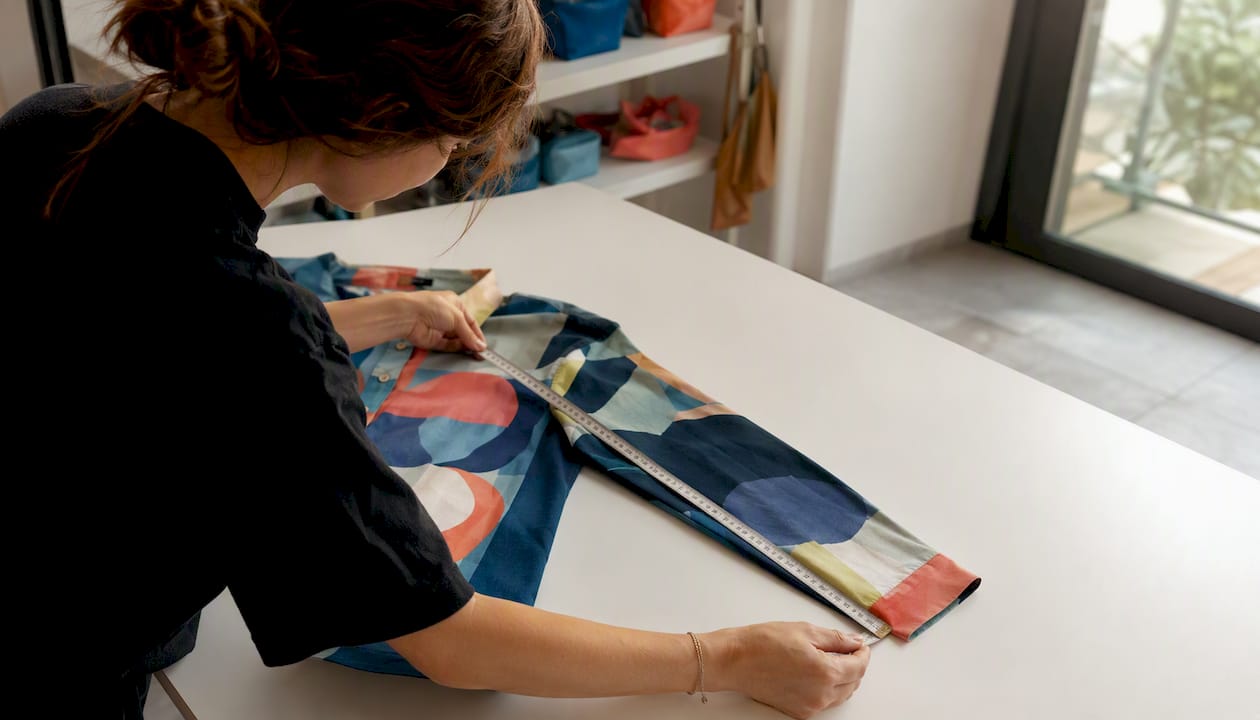
Chest/bust: measure around the fullest part, tape parallel to the floor
Waist: natural waist, not the hip or belt line
Inseam/length: inside leg from crotch to ankle, or note a preferred trouser length
Once you have those, map them across brands using the size charts on each retailer’s product page. A size M at one label may run like a size S at another.
Photo-based sizing takes this further. Clothme generates a precise size profile from two uploaded photos, then filters your product feed to show only items that match your measurements, preferred fabrics, and color palette. You save that profile once and reuse it for every future purchase, including surprise gifts.
Pro Tip: When you’re unsure of fit, default to forgiving silhouettes: wrap dresses, relaxed-fit chinos, oversized knits. They absorb a half-size variance without looking wrong. Keep the receipt regardless.
Sizing inconsistency across brands is one of the top drivers of online clothing returns. Checking a partner’s existing tags and brand preferences before buying reduces that risk more reliably than relying on a generic size chart.
Matching vs. complementary looks: how to coordinate partner outfits
Prefer complementary looks for everyday wear. Reserve exact matching for themed events or photos. The difference matters because coordinated outfits that feel natural get worn again; costumes don’t.
The KISS method applied to couple dressing means upgrading what both partners already wear rather than introducing radical new pieces. A shared neutral palette (navy, white, camel, olive) with different silhouettes reads as coordinated without looking planned.
Complementary look examples:
Matching color family, different cuts: both in navy, one in a slim trouser, one in a wide-leg pant
Tonal dressing: cream and ivory, or charcoal and slate, worn together
Shared fabric story: both in linen for summer, both in wool for fall
Matching look examples (for events or photos):
Identical color, different garments: same burgundy in a dress and a shirt
Printed coordination: one wears the print, the other wears a solid pulled from that print’s palette
Monochrome: both in all-white or all-black with different textures
Use your partner’s dominant colors, silhouettes, and fabric choices as the starting point. If they wear slim cuts and earth tones, don’t buy them a boxy pastel. Work with their existing wardrobe, not against it. A guide to finding your personal style can help you identify those dominant patterns quickly.
Pro Tip: Pull up three photos of your partner in outfits they chose themselves. Note the repeated colors and silhouettes. That pattern is your shopping brief.
Where should you shop for couple outfits online?
Prioritize stores with clear size charts, customer photos, and a minimum 30-day return window. Those three features alone eliminate most of the risk in buying for someone else.
Filters and product page features to check:
Size range that covers both partners
Customer-uploaded photos (not just brand imagery)
Model measurements listed on the product page
Fabric content clearly stated (avoid vague “polyester blend” with no percentages)
Size-specific reviews (“runs small,” “true to size,” “generous in the shoulders”)
Policy checklist before checkout:
Return window: 30 days minimum, 60 preferred
Free exchanges or prepaid return labels
Gift receipt option at checkout
Final-sale or non-returnable items flagged clearly
Secondhand and outlet shopping can reduce cost, but return policies are often stricter or nonexistent. If you go that route, verify the policy before buying and size up when in doubt.
Shipping, returns, and budgeting for partner clothing purchases
Plan 2–4 weeks for surprise purchases where you may need an exchange. For planned coordinated outfits with no surprise element, standard shipping plus a few days for fit checks is usually enough.
Timeline guide:
Weeks out: order 3–4 weeks before the occasion if a surprise; 2 weeks for planned purchases
Exchange buffer: add 5–7 business days for return transit and reshipment
Holiday windows: order by early December for December occasions; holiday shopping timelines compress fast
Tailoring time: budget an extra 1–2 weeks if alterations are likely
Budget checklist:
Base price of the item
Shipping cost (often free over a threshold, but confirm)
Return shipping if not prepaid
Tailoring, if the fit needs minor adjustments
Shopping smarter with fit, time, and budget in mind means building those costs into your estimate before you fall in love with a price tag. A $60 shirt with $15 return shipping and a $20 hem is a $95 shirt.
Smart gifting tactics that preserve the surprise
Discreetly gather size clues, pick forgiving styles, and use gift receipts or exchange-friendly sellers. That combination keeps the reveal intact even if the fit needs a small adjustment.
Tactics for buying clothes as a surprise:
Check tags on items your partner wears most (the size and brand both matter)
Ask a close friend or family member who shops with them
Borrow a well-fitting garment briefly to compare against a size chart
Use a full-length photo to estimate proportions when a profile tool is available
Include a handwritten note explaining why you chose the piece, not just what it is
Clothme’s blog guidance on surprising a partner recommends discreet measuring and saved profiles specifically to preserve the surprise while keeping fit accuracy high.
Pro Tip: A note that says “I picked this because it’s the same cut you always reach for, just in a better fabric” lands better than the gift alone. It shows you paid attention.
Common pitfalls and red flags when buying for someone else
Avoid unfamiliar brands with slim return windows and one-off trend pieces that don’t match your partner’s existing closet. Those two choices account for most disappointed reactions and wasted returns.
Red flags on a product page:
No customer photos, only brand or model shots
Vague sizing (“one size fits most”) with no measurements
Fabric content listed as a generic blend with no specifics
Final-sale or non-returnable flag in the fine print
Reviews that mention inconsistent sizing across the same style
Before you buy: if a product page has no customer photos, no model measurements, and a final-sale tag, close the tab. Those three signals together mean you have no reliable fit data and no exit if it’s wrong.
How Clothme helps when shopping for partner clothes online
Clothme’s photo-based size profiles and saved family profiles reduce returns and speed up coordinated purchases. Upload two photos, generate a precise size profile, and filter your product feed to show only items that match your measurements, preferred fabrics, and color palette.
Clothme features relevant to partner shopping:
Photo-based sizing from two uploaded photos
Saved profiles for multiple people (partners, family members)
Curated product feed filtered by palette, fabric, and fit
Discovery of boutiques and brands matched to your profile
How to use Clothme for a partner purchase:
Create your own profile and upload two photos
Create a second profile for your partner (use a nickname if preserving a surprise)
Save your partner’s measurements or upload their photos
Browse the curated feed filtered to their profile
Checkout with confidence; the size recommendation is already matched
Pro Tip: Save your partner’s profile under a nickname like “Gift” or their initials. The profile stays private, and you can switch between profiles at checkout without revealing the account.
Why upgraded staples are the smarter bet
The conventional wisdom on couple dressing leans toward matching sets and statement pieces. That’s mostly wrong for everyday life. The gifts and coordinated outfits that actually get worn are the ones that feel like a natural extension of what someone already owns, just better.
A well-chosen merino crewneck in your partner’s go-to color, in the cut they already reach for, will be worn weekly. A bold printed set bought to “shake things up” sits in the drawer. The KISS method works because it respects the wearer’s existing identity instead of trying to redesign it. Clothme’s sizing workflow reinforces this: when you filter by your partner’s actual palette and silhouette preferences, the trend pieces disappear from the feed on their own.
Clothme makes partner shopping low-risk from the first click
Sizing anxiety is the real reason most people avoid buying clothes for a partner online. Clothme removes it. Upload two photos, save a profile, and every product recommendation you see is already matched to that person’s measurements, color preferences, and fabric choices.
Sign up at Clothme, create a profile for yourself, then add a partner profile in under two minutes. The curated feed does the filtering, the saved profile handles future purchases, and the photo-based sizing means fewer returns before you’ve even clicked checkout. For coordinating family wardrobe purchases, the same saved-profile system works across every person you shop for.
Sources
What to Buy Your Boyfriend or Husband to Make Him More Stylish | Who What Wear
How To Successfully Buy Clothes For Your Girlfriend: A Comprehensive Guide