New Mothers: Two Photos Simplify Postpartum Clothing Fit, Cut Returns
Postpartum clothing fit comes down to four things: stretchy, breathable fabric, a high or adjustable waistband, easy nursing access, and a silhouette forgiving enough to skip guesswork. Build a small starter capsule rather than a full new wardrobe, and size up when you’re between sizes. The Cleveland Clinic notes that your body keeps shifting for 12 to 18 months, so a fit tool can save you from buying twice.
TL;DR:Postpartum body changes can continue for 12 to 18 months, making adjustable, soft, and breathable clothing essential for comfort and fit.
Focus on high-rise or relaxed-rise waistbands with wide elastic, flat seams, and fabrics like cotton or bamboo that accommodate swelling and healing.
Building a small capsule wardrobe of 8 to 12 versatile pieces—such as nursing tanks, wrap dresses, and soft trousers—reduces overwhelm and adapts to size fluctuations.
Use measurement techniques and tools like ClothME to generate accurate, body-specific size profiles, avoiding guesswork and unnecessary returns.
Prioritize one confidence outfit, routine, or accessory to boost emotional well-being and ease dressing during the challenging postpartum period.
Clothme
Find Your Postpartum Clothing Fit
Upload two photos to create a personalized size profile and shop clothing matched to your body shape, style, colors, and fabric preferences.
Find your size profile
Table of Contents
What to Look for in Postpartum Clothing Fit
Fit features matter more than trends here. Your torso, hips, and chest are all in flux, so the garment’s construction determines whether it actually works day to day, not just how it looks on a hanger.
Start with the waistband. A high rise that sits above or well below the belly, rather than right on it, avoids pressure on a still-healing core. Look for soft, wide elastic instead of a narrow stiff band that digs in when you sit down to nurse. Drop-crotch or relaxed-rise bottoms give your midsection room without needing a specific size prediction.
Fabric matters just as much as cut. Cotton, bamboo, and modal breathe well and hold up to frequent washing, which is useful when spit-up and leaking are part of daily life. Washable silk shows up in a lot of postpartum loungewear recommendations because it feels soft against sensitive, healing skin without needing dry cleaning.
If you had a C-section, waistband height above the incision line is non-negotiable, and flat or bonded seams reduce the friction that raised seams cause against tender skin.
Nursing access is its own decision. Clip-down bras are fast but can strain one-handed. Pull-up tanks are simple and cheap but less discreet. Wrap tops and dresses give full access with no clips at all. Button-front shirts are the most versatile because they work for nursing and for regular wear once you’re done.
High-rise or relaxed-rise waistbands with soft, wide elastic
Nursing openings that match your actual routine: clip, pull-up, wrap, or button-front
Breathable fabrics like cotton, bamboo, modal, or washable silk
Flat seams and higher waistlines if you had a C-section
Sizing up rather than down whenever you’re between two sizes
Pro Tip: Try the “two-finger test” on any waistband before buying: if you can’t comfortably slide two fingers under it while sitting, it will feel tight by the end of the day, not just at the store.
Compression garments can help some people feel more supported, but they’re a personal choice rather than a fit requirement, and they work best alongside soft, breathable basics.
Postpartum Outfit Ideas for Every Kind of Day
You don’t need ten outfits. You need three or four reliable formulas you can repeat without thinking, especially in the first weeks when decision fatigue is real.
The home uniform. High-rise leggings, a nursing tank, and an oversized tee or cardigan on top. Everything stretches, nothing needs adjusting, and nursing access takes two seconds.
The errand outfit. Nursing tank layered under an oversized button shirt, paired with wide-leg pants or joggers, slip-on shoes, and a crossbody bag. Pockets matter more than people expect. You want your hands free.
The company-ready look. A wrap dress or button-front dress instantly reads as put-together, and pairing it with a simple necklace and clean shoes does the rest of the work without any extra effort.
The hospital bag basics. Pack two easy outfits built around soft waistbands, a couple of nursing bras, and underwear sized generously for comfort rather than your usual size.
The backup plan. Keep nursing pads, a spare top, and a neutral nursing cover within reach. Leaks happen, and having a fast fix keeps you from spiraling over a stained shirt.
Editors at Vogue point to soft loungewear paired with a few elevated pieces as the formula that lets new mothers feel comfortable without giving up on looking pulled together. The idea isn’t a new outfit for every occasion. It’s three or four formulas that already work, repeated without a second thought.
Building a Small Postpartum Capsule Wardrobe
Buying a full new wardrobe right after birth wastes money, because your size in month one won’t match your size in month six. A small, deliberate capsule solves that.
Start with a trio: a nursing tank, an oversized button shirt or cardigan, and high-rise leggings or soft trousers. That combination covers nursing access, layering for temperature swings, and comfort, and it works whether you’re on the couch or walking to the mailbox.
From there, build out to roughly 8 to 12 pieces total. That range shows up consistently in postpartum capsule wardrobe guidance, and it’s enough variety to avoid wearing the same thing every day without tempting you into overbuying while your size keeps changing.
Two to three pairs of leggings or joggers with stretch waistbands
One pair of stretch-denim jeans for days you want structure
One versatile dress (wrap or button-front)
Two to three nursing bras and several pairs of comfortable underwear
A lightweight jacket or cardigan for layering
One or two loungewear sets for low-effort days
Budget by buying secondhand for pieces you’ll likely outgrow quickly, like early postpartum bottoms, and saving your spending for items you’ll wear long after your body settles, like a well-made nursing bra or a dress you actually love. Prioritize machine-washable, low-maintenance fabrics across the board. Nobody recovering from birth wants to hand-wash anything.
Maternity pieces with stretch panels still earn their keep in the first six to eight weeks. Retire them once your torso has settled into a more predictable shape, usually somewhere in that same window, though everybody’s timeline looks a little different.
Fit and Sizing Tactics That Actually Work
Guessing your size costs you money and time. Measuring costs five minutes.
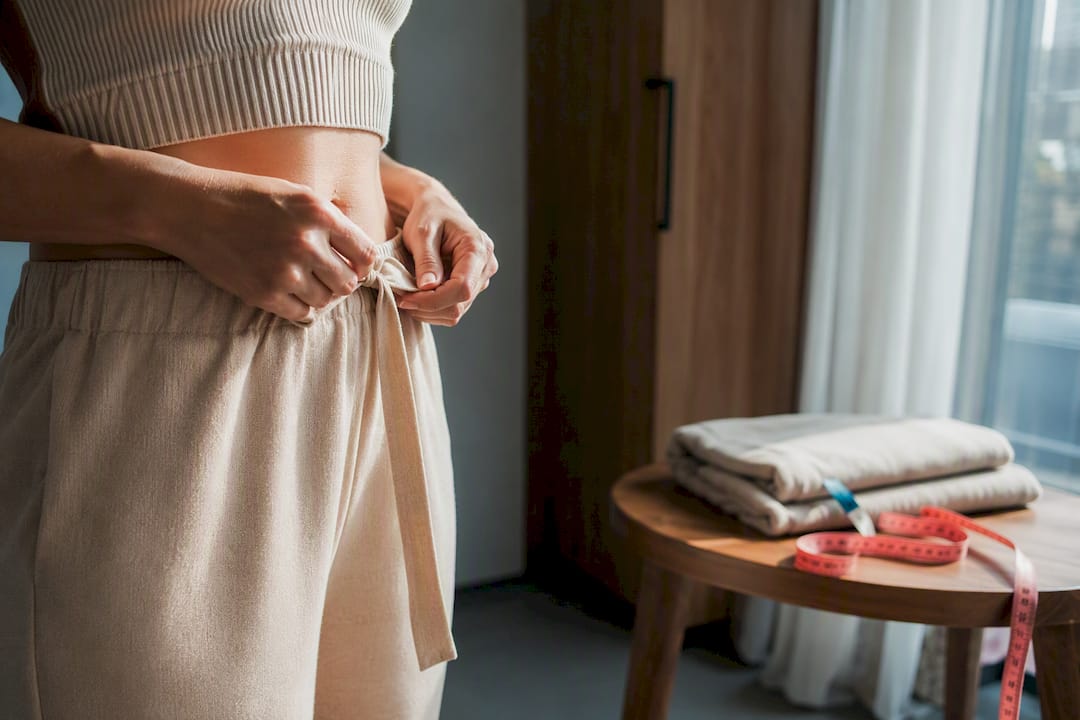
Take four measurements: bust, underbust or ribcage, natural waist, and hips at their widest point. The ribcage measurement matters more than most people realize, because rib expansion during pregnancy can make your pre-pregnancy bra band size wrong even after you’ve lost the rest of the weight, a detail ClothME’s maternity size guide walks through in more depth.
While your size shifts, a few temporary fixes buy you time without buying a whole new wardrobe: waistband extenders on jeans and trousers, elastic loop-and-button hacks, soft, drawstring, or fully elasticized waists, and layering looser pieces over snugger ones on days sizes feel unpredictable.
The Cleveland Clinic’s timeline is the number to keep in mind here: changes to the pelvic floor, abdominal wall, ribcage, hips, and breast tissue can continue for 12 to 18 months postpartum. That’s not a reason to avoid buying clothes. It’s a reason to buy fewer, more adjustable pieces instead of a fully sized wardrobe you’ll outgrow twice.
For underwear, size up early. Recovery-focused postpartum underwear often comes recommended in L or XL sizing for the first several weeks, even if that’s larger than your usual size, because swelling and incision coverage need the extra room. Reassess sizing around the four to six week mark.
Pro Tip: If you had a C-section or are managing heavy bleeding, talk to your care provider before relying on compression garments. Support is helpful, but it should never replace medical guidance on healing.
Dressing Postpartum Is Emotional, Not Just Practical
Nobody warns you how strange it feels to not recognize your own closet. That reaction is common, and it’s tied to real shifts in body image during recovery, not a personal failing.
Small, deliberate choices help more than people expect. Pick one outfit, just one, that reliably makes you feel like yourself, and reach for it on hard days. Build a two-minute get-dressed routine, even if you’re not leaving the house. One small purchase, a soft robe or a nursing bra that actually fits well, can function as an act of care rather than an indulgence.
Keep one “confidence outfit” ready and don’t save it for special occasions
Build a fast, repeatable getting-dressed routine, even for days at home
Let one accessory or clean pair of shoes do the heavy lifting
Reach out for support if clothing or body changes are causing real distress, not just mild frustration
A single necklace or a fresh pair of shoes can shift how a day feels, and that’s worth more than any specific size on a tag. If clothes are triggering ongoing distress rather than occasional frustration, that’s worth raising with a provider. Postpartum self-care guidance covers this ground well if you want a broader look at recovery beyond the closet.
Why Fit-First Shopping Beats Guessing Your Size
Most postpartum sizing advice assumes you know your current measurements. Most new mothers don’t, because those measurements are moving targets. That gap is exactly what ClothME was built to close.
The process is simple: upload two photos to generate a size profile calibrated to your actual body shape rather than a size chart built for someone else’s proportions. Instead of scrolling through every leggings brand hoping one runs true to size, you filter directly for high-rise leggings or nursing tanks that match your profile, cutting out the return-and-reorder cycle that eats uptime you don’t have with a newborn.
Saved profiles matter here too. You can keep one for yourself and add profiles for other family members, so buying for a partner or an older kid doesn’t mean starting from scratch each time…
— admin
Let ClothME Take the Guesswork Out of Postpartum Shopping
Shopping for a body that’s still changing shouldn’t mean gambling on every order. ClothME builds your size profile from two photos, then filters product feeds down to items that actually match your shape, fabric preferences, and style, so you’re not sorting through hundreds of listings hoping one brand’s “medium” matches another’s.
That approach fits a few specific postpartum moments especially well:
Packing a hospital bag when you need two outfits that will actually fit in the moment
Building your starter capsule trio without ordering three sizes of the same leggings
Shopping secondhand with real size confidence instead of guessing from a seller’s description
If you’re tired of returns eating into the little time you have, create a fit profile on ClothME and see which pieces are actually built for your current shape.
Primary Sources and Further Reading
For the clinical timeline behind postpartum body changes, the Cleveland Clinic’s postpartum overview covers the 12 to 18 month window in detail. For style guidance grounded in real editorial experience, Vogue’s postpartum dressing feature and BabyList’s capsule wardrobe guide both offer practical, wearable lists. For recovery underwear specifics, including sizing during the first weeks, see Parasol Co’s recovery underwear guidance.
Sources
The Postpartum Capsule Wardrobe: 12 Pieces Every New Mom Is Buying — DearMome
What to Wear Postpartum: Outfits To Embrace Your Body After Baby — Vogue
FAQ
Will My Clothes Fit the Same After Pregnancy?
Not right away, and possibly not for a while. The Cleveland Clinic notes that changes to your ribcage, hips, waist, and breast tissue can continue for 12 to 18 months, so pre-pregnancy clothes may fit differently even after your weight returns to a similar number.
What Is the 3-3-3 Rule for Postpartum Clothes?
There’s no single agreed-upon definition of a “3-3-3 rule” for postpartum clothing in reputable sources. If you’ve seen it referenced, it likely points to building a small rotation, such as three tops, three bottoms, and three easy outfit combinations, rather than a formal medical or styling standard.
What Is the 3-3-3 Rule for Postpartum Recovery?
Some postpartum recovery guidance uses “3-3-3” to describe rest windows (three days in bed, three days near the bed, three days near the house), but this refers to physical recovery pacing, not clothing choices specifically.
What Is the 777 Rule for Postpartum?
Definitions of various rules vary across parenting sources and aren’t tied to a single clinical standard, so treat any specific version you encounter as general guidance rather than an established rule.
How Do I Know What Size to Buy If My Body Is Still Changing?
Measure your bust, underbust, waist, and hips now, size up when you’re between two sizes, and prioritize adjustable waistbands. A tool like ClothME can generate a size profile from two photos so you’re matching current measurements instead of guessing from a pre-pregnancy size.